
Hyper-personalisation: the new era of tourism
5 January, 2026
What are Michelin Stars and what is their true origin?
16 January, 2026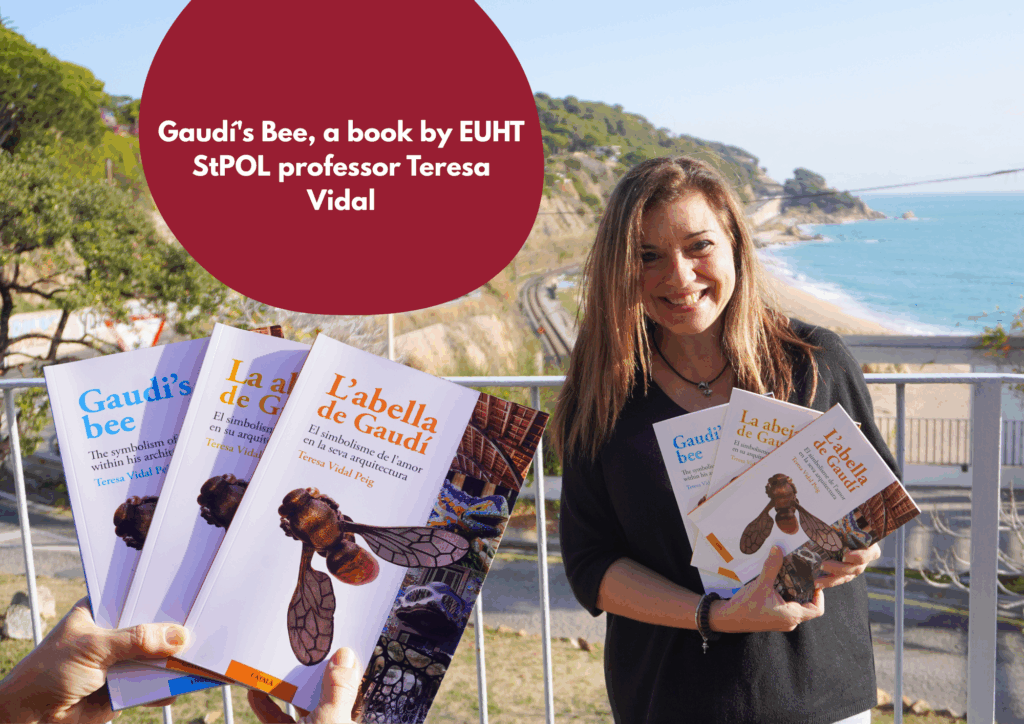
With Gaudí’s Bee, Teresa Vidal invites us to rediscover Antoni Gaudí through his early years, his creative imagination, and the symbolism that runs through his works. A professor at EUHT StPOL and researcher, Vidal shares how this reading can transform the way we interpret architecture and experience heritage, offering new perspectives that go beyond art.
In the book, Vidal combines academic rigor with narrative sensitivity, showing how the architect’s personal life and early projects influenced his later work. This approach allows both specialists and curious readers to approach Gaudí from a fresh and nuanced angle.
How would you summarize what Gaudí’s Bee is about and what readers will find in it?
This work is an invitation to rediscover Gaudí from his personal beginnings: his youth, his student years, and his first projects… to show how this early imagination influenced his later works. All of this is presented with a combination of rigor and interpretation, with a touch of romanticism.
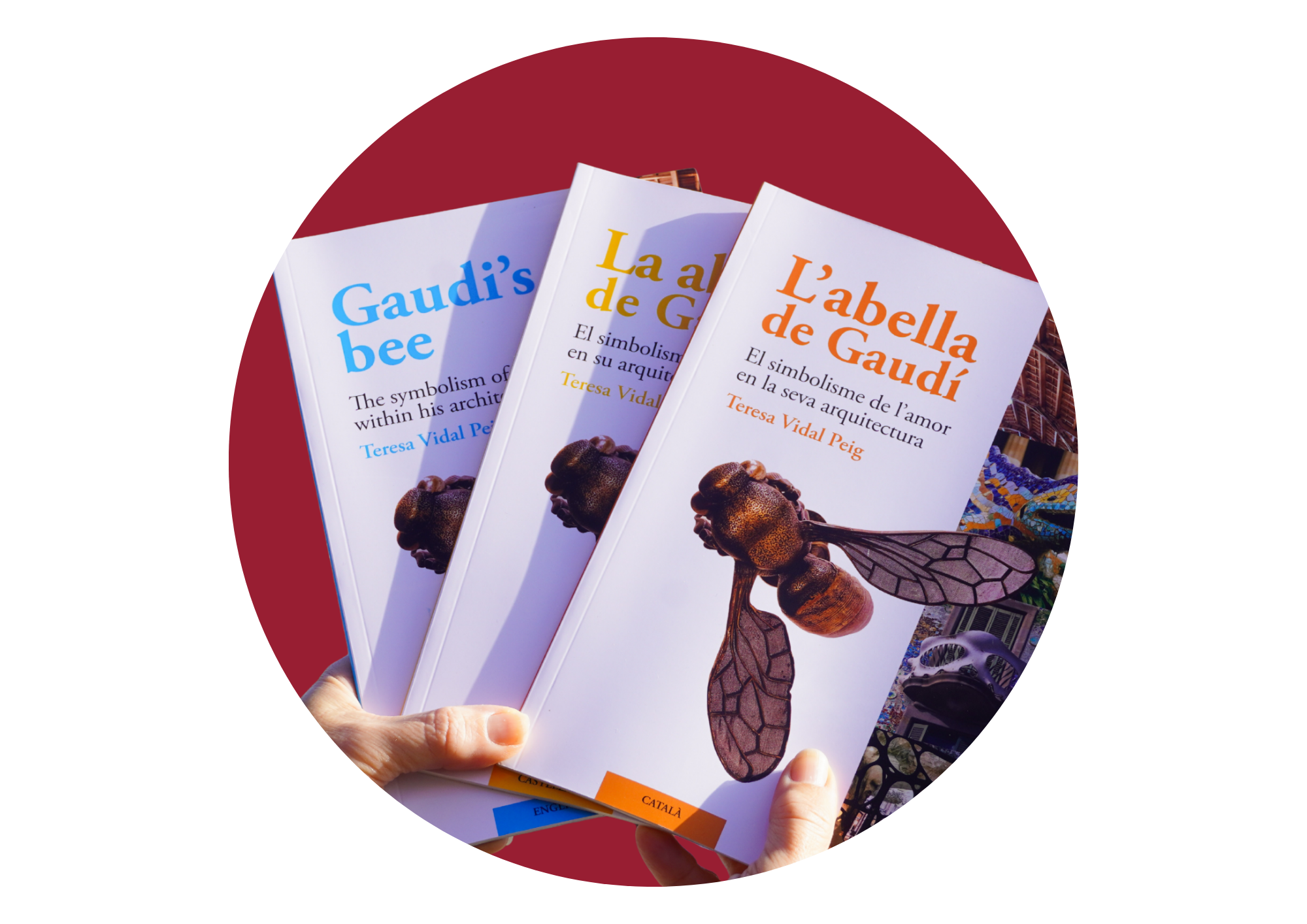
What led you to become interested in the symbolism of love in Gaudí’s architecture, and specifically to focus the book on the figure of the bee?
My interest in this topic began during my doctoral research, and since I am from Mataró, I focused on the young Gaudí and what his stay and architectural work in my city represented. It was in the environment of the Cooperativa Mataronense that I discovered the bee and all the symbolism associated with it.
During the research process, was there any Gaudí work that you found particularly revealing or surprising?
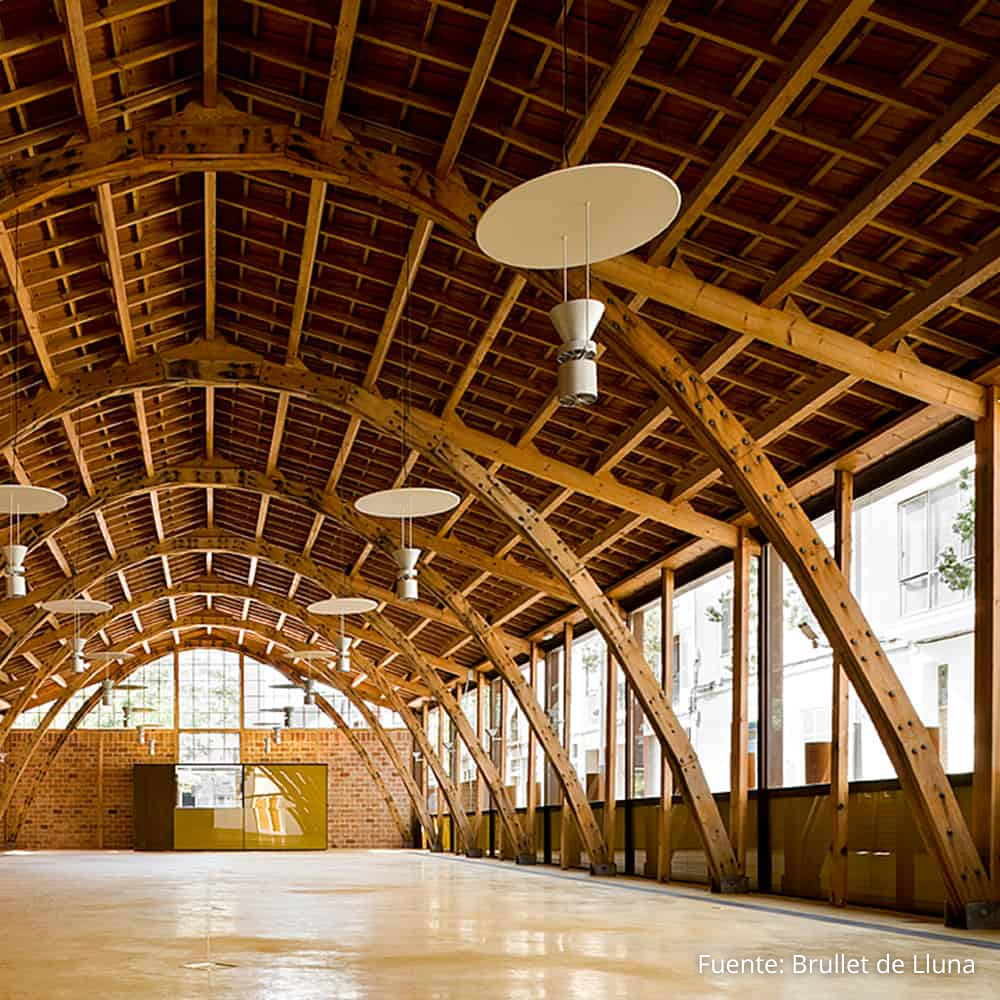
Indeed, without a doubt, the current Nau Gaudí, as well as the original project as conceived, represented the architect’s first work.
If you had to summarize the book for someone approaching symbolism in architecture for the first time, and specifically Gaudí’s work, how would you explain it?
The aim is to reveal the architect’s early imagination. The journey shows what influenced Gaudí’s work, using the metaphor of a bee inspired by a discreet love in Mataró, which opens up new interpretations when we revisit Gaudí’s works, especially those in Barcelona.
Why do you think this book may also be interesting for readers who are not from the art or architecture world, such as students from other disciplines?
For disciplines beyond art and architecture, such as tourism studies, it can be interesting for cultural immersion and for explaining Gaudí from the perspective of searching for elements related to bees in his works. New tourist guides will gain additional resources from the book.
After publishing Gaudí’s Bee, is there any aspect of Gaudí’s work you would like to continue researching or developing in the future?
Absolutely! I am aware that much has already been written about Gaudí, but throughout this year, which marks Gaudí Year 2026, I am sure new discoveries, exhibitions, and books about Gaudí will appear.
Beyond architecture and art, Gaudí’s Bee invites our students to discover spaces as living narratives: every detail can tell a story and transform the experience of those who visit them. For those who will work in tourism, hospitality, or gastronomy, this work inspires them to look at their surroundings from new perspectives and create memorable experiences.
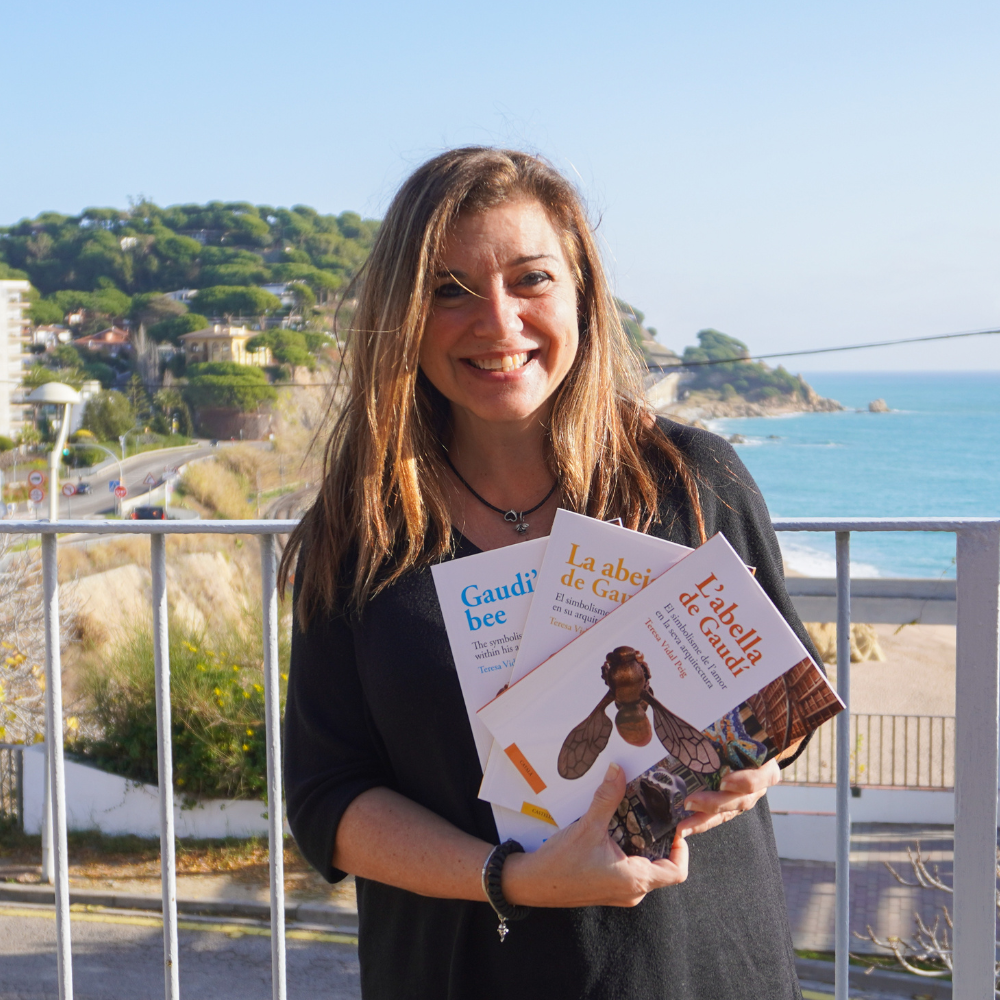
Gaudí’s Bee is available online on platforms such as Amazon, in specialized bookstores like Laie, or directly through Editorial Mediterrània. Students and professionals in tourism, hospitality, or gastronomy can easily access this resource, which connects architecture, symbolism, and cultural heritage.




 CALL US
 WHATSAPP