10 Historic Hotels in Spain and Their Impact on Tourism
6 July, 2026
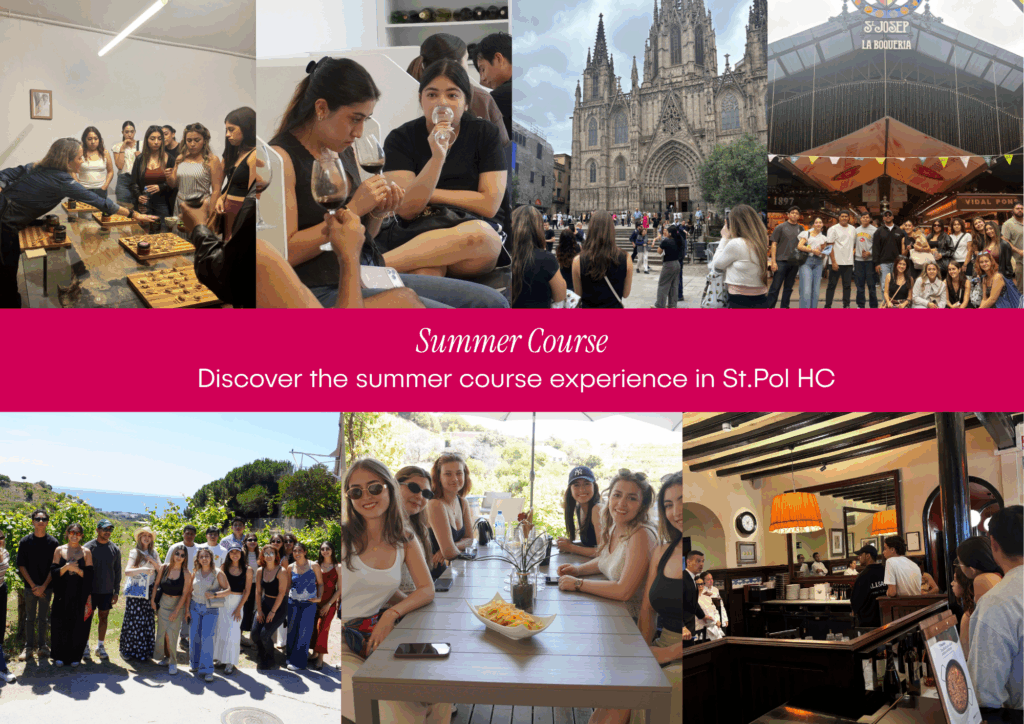
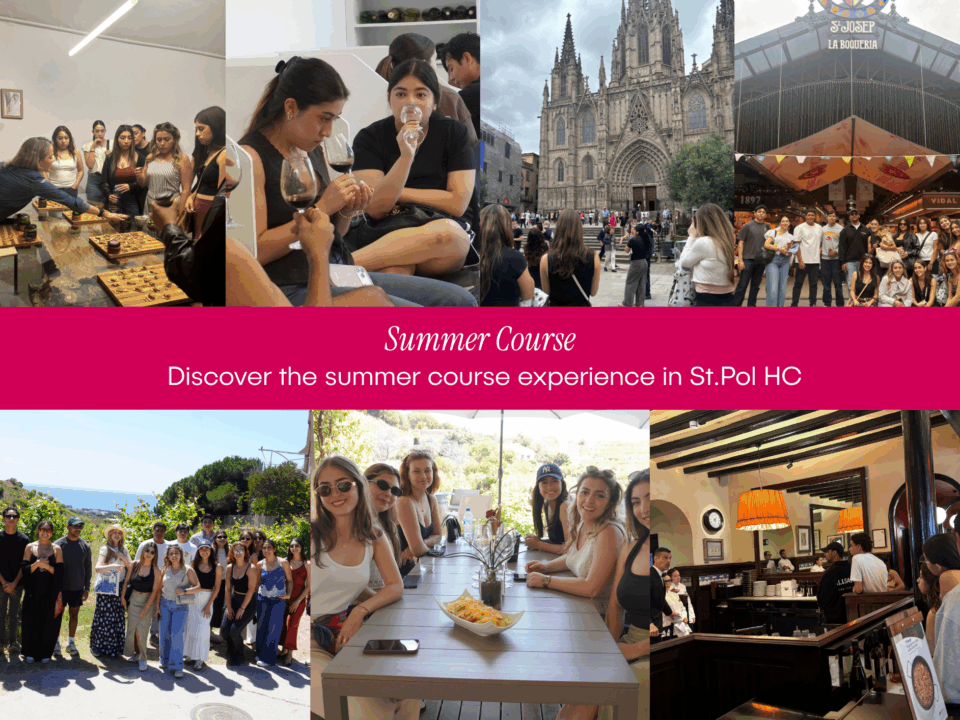
International Summer Course: a 360º experience in the hospitality sector
15 July, 2026
The transformation of the hospitality sector demands new forms of learning capable of responding to the challenges of digitalisation, sustainability, and the constant evolution of professional skills. With this objective in mind, the European project MCEU Hospitality was created, a European Union co-funded initiative aimed at developing, testing, and consolidating a European model of micro-credentials for lifelong learning in hospitality and tourism.
Since its inception, the project has brought together educational institutions (including our institution, St.Pol HC), business associations, and technology companies from different European countries to design flexible, modular learning pathways aligned with the real needs of the labour market.
From Theory to Practice: The Results of Pilot 1
One of the major milestones achieved during the project was the implementation of the first international pilot, carried out across Spain, Denmark, and Iceland.
The results demonstrate strong interest from the sector:
- 257 participants completed learning pathways.
- 418 learning routes were successfully completed.
- 472 verifiable digital credentials were issued.
Beyond the numbers, Pilot 1 confirmed that flexible and modular learning works in real hospitality environments, where balancing training with professional responsibilities often represents one of the main challenges.
However, the pilot also highlighted a key issue: completing a course does not automatically guarantee that the resulting credential will be understood and recognised by companies and professionals. This insight has significantly shaped the project's evolution during its second phase.
Pilot 2: From Implementation to Learning
The second pilot phase of the MCEU Hospitality project has recently come to an end, marking a new milestone in exploring the potential of micro-credentials to foster lifelong learning in the hospitality sector.
During this phase, more than 400 hospitality professionals and employees enrolled in one of the micro-credential-based courses, while more than 220 learning pathways have already been completed.
These pathways were built from over 50 individual courses organised into five different learning tracks, designed to address a range of competency needs within the hospitality industry.
However, the true value of Pilot 2 lies not only in participation figures but also in the important questions it raises for the future of professional learning:
- How can learning be integrated into the daily reality of professionals working long hours and changing schedules?
- How can learning experiences be designed to be flexible enough to adapt to the pace of work in the sector?
- How can these new credentials be recognised and valued by both employers and employees?
With the completion of the pilot, the project now enters an analysis phase in which participants' experiences and the data collected over recent months will be examined to identify best practices and opportunities for improvement.

Digital Micro-Credentials for a European Labour Market
The micro-credentials developed by MCEU are based on European standards such as Europass, European Digital Credentials for Learning (EDC), and the EBSI infrastructure, enabling the issuance of secure, verifiable, and portable digital certificates across European countries.
This approach allows workers and employers to identify and validate specific skills beyond traditional qualifications, supporting labour mobility and lifelong learning.
The project therefore contributes to European initiatives aimed at improving skills transparency, employability, and continuous talent development in dynamic sectors such as hospitality and tourism.
The Role of Sant Pol Hospitality & Culinary Business School
Within the international consortium, Sant Pol Hospitality & Culinary Business School, formerly known as EUHT StPOL, actively participates in the design, implementation, and validation of the pilots carried out in Spain.
The school has played a particularly important role in connecting the real needs of hospitality businesses with the training content and accreditation systems developed by the project, contributing the academic and business perspective that has characterised the institution for more than five decades.
Participation in MCEU Hospitality Project reinforces St.Pol HC's commitment to educational innovation, lifelong learning, and the development of new tools that enable hospitality professionals to adapt to an increasingly dynamic and demanding environment.
Looking Towards the Future
As MCEU Hospitality approaches its final phase, the focus is shifting from the technical development of micro-credentials towards their effective recognition within the European labour market.
The challenge is no longer simply to demonstrate that flexible learning works, but to ensure that the competencies acquired through these new formats become reliable, understandable, and recognised signals for employers, educational institutions, and professionals across Europe.
In this context, the results obtained during the pilots and the ongoing analysis will contribute to European discussions on labour mobility, skills transparency, and lifelong learning — all strategic areas for the future of the hospitality sector.
Sant Pol Hospitality & Culinary Business School will continue to actively participate in this process, helping to bring the real needs of the industry into the new training and accreditation models that are shaping the future of hospitality talent in Europe.





 CALL US
 WHATSAPP