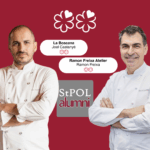
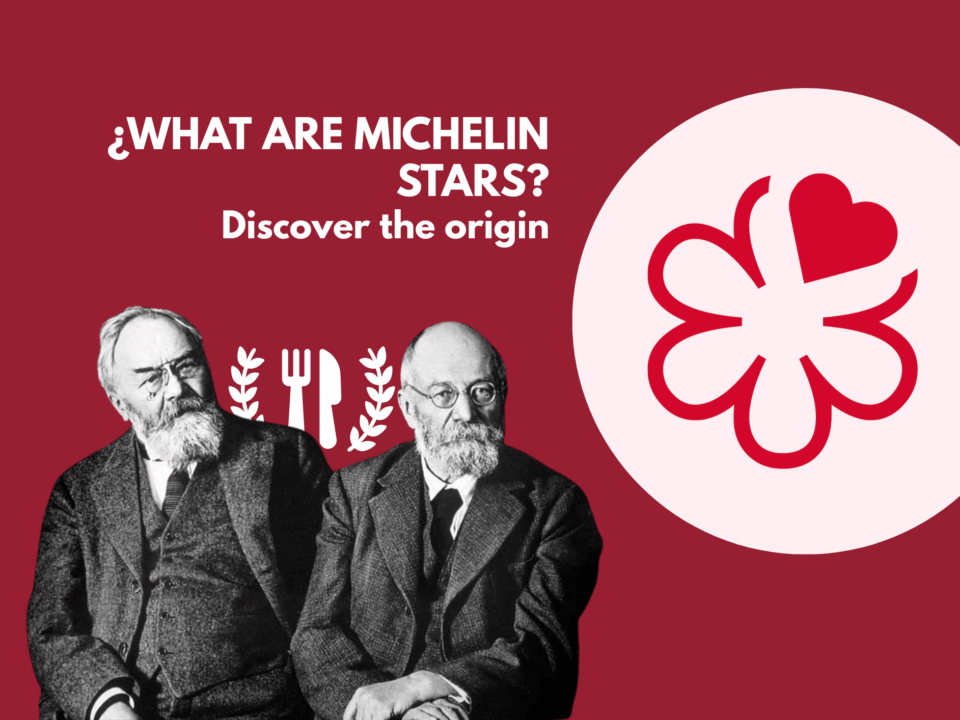
Joel Castanyé and Ramon Freixa, two StPOL Alumni with Michelin stars
26 November, 2025
Hyper-personalisation: the new era of tourism
5 January, 2026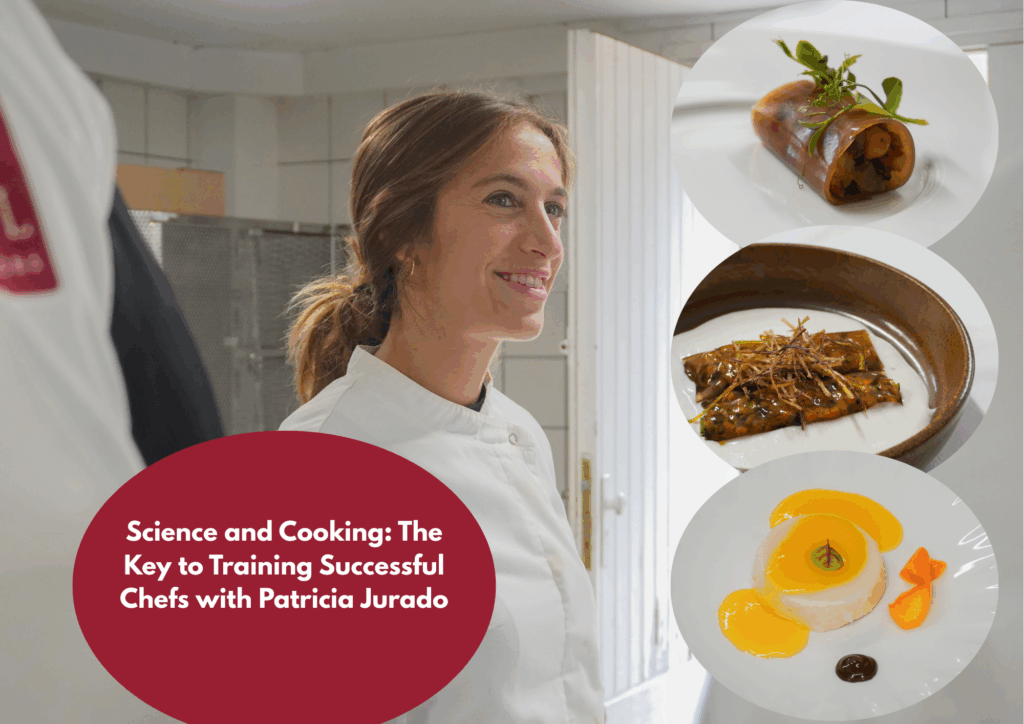
"All cooking is molecular. Every time we transform an ingredient, we are doing science." For Patricia Jurado, lecturer at EUHT StPOL and expert in culinary science and food systems, this phrase represents much more than a curiosity: it is the key to understanding how food works, making conscious decisions, and creating positive change in our lives and society.
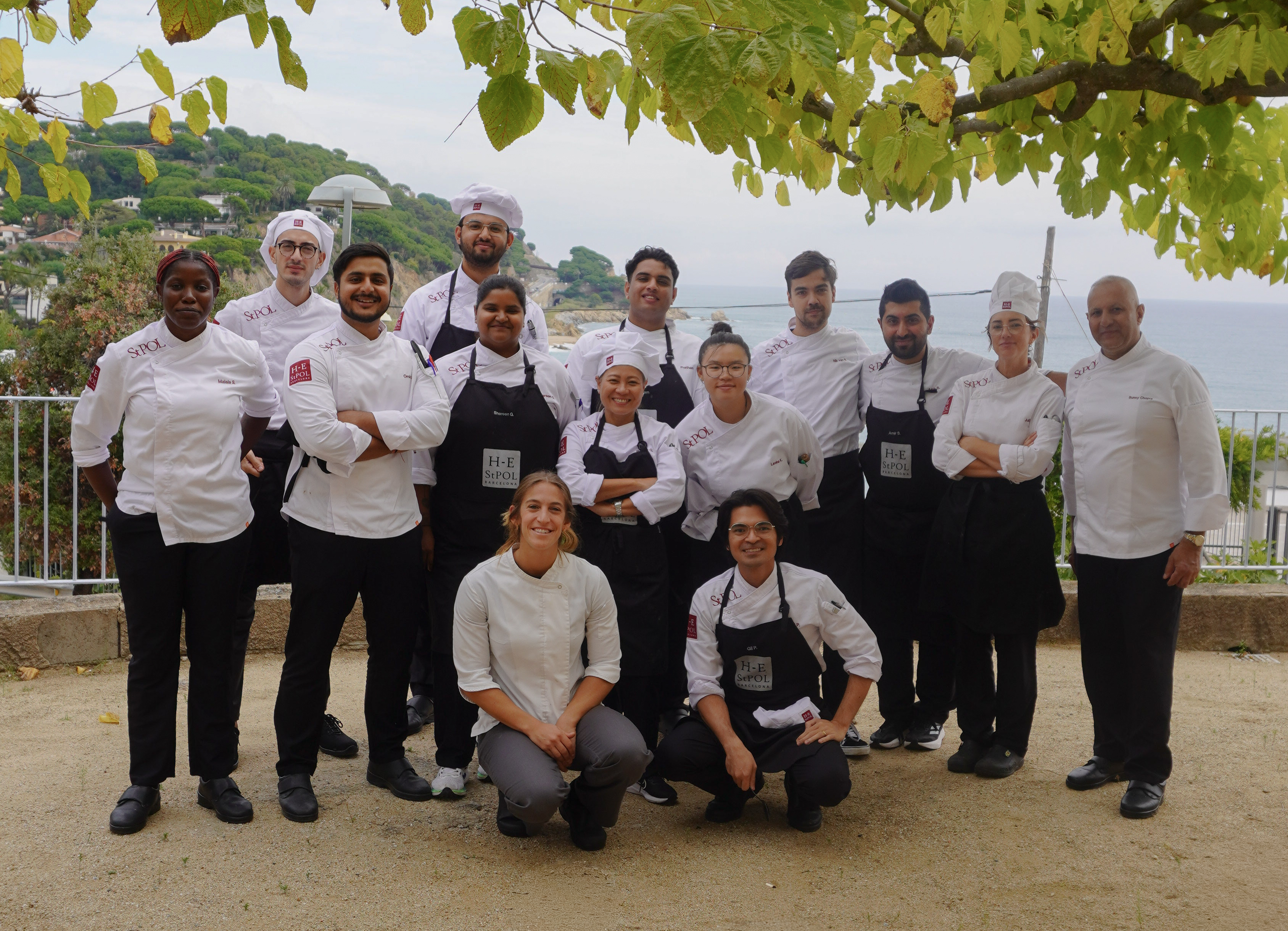
Patricia combines her work as a researcher and consultant with teaching in the Master in Culinary Arts, Innovation and Kitchen Management, where she teaches courses in Nutrition, Food Science, and Fermentation to students. Her goal is not only to teach recipes, but to spark curiosity, foster critical thinking, and show how science and nutrition influence health, sustainability, and culinary innovation.
Science is in everything we cook
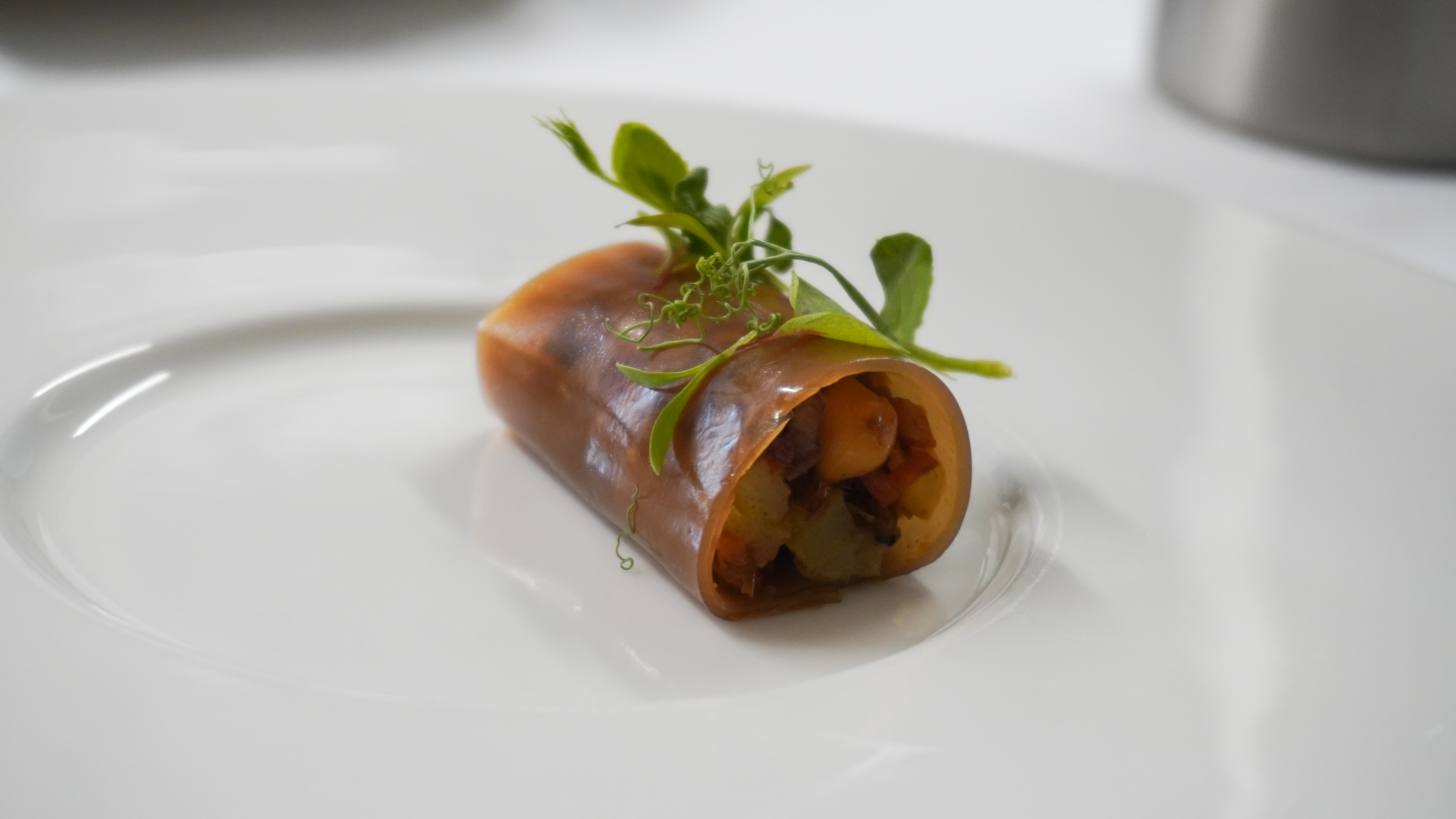
When we talk about science in the kitchen, many people think of molecular gastronomy and sophisticated techniques. Patricia clarifies that this is only a small part: fermentations, curing, boiling or roasting vegetables, and even kneading bread are all acts full of science.
Understanding physical and chemical processes, for example the Maillard reaction, protein coagulation, pH changes, or sugar caramelization, not only allows us to achieve better results in the kitchen, but also provides a way to understand the world around us, make smarter decisions, and experiment with creativity and confidence.
"By analyzing a tomato sauce, we can study chemistry, nutrition, culture, and even sustainability. This understanding empowers students: they no longer cook by intuition, but with knowledge and purpose."
Science empowers and transforms habits
A central concept in Patricia Jurado’s research is culinary self-efficacy: the confidence to successfully cook a dish. Knowledge and training are essential, but feeling confident in applying what has been learned is what allows technique to turn into real results in the kitchen.
For this reason, her teaching focuses on providing students with tools and confidence, connecting with their barriers, culture, and daily reality. This approach has a direct impact on young people’s lives: it improves their eating habits, fosters autonomy, and allows them to understand how science can help them make healthy and sustainable choices.
Sustainability and social responsibility in every dish
Science also teaches us to look beyond the plate itself. In her classes, Patricia guides future chefs to design menus that are balanced, healthy, and environmentally responsible. Choosing seasonal, local, or minimally processed ingredients, understanding how food transforms, and its environmental impact are lessons that students carry beyond professional kitchens: they learn to connect gastronomy with a fairer and more sustainable world.
"Chefs can inspire changes that go beyond their restaurants. Their knowledge of nutrition and sustainability can set trends and educate the public on how to eat better."
Education as a driver of curiosity and critical thinking
For Patricia, teaching science is not just about transmitting information: it is about sparking curiosity, teaching students to think, and showing how to apply science in real life. Students arrive expecting sophisticated techniques, but discover that science is present in everyday cooking, from boiling vegetables to creating complete menus. This understanding capacities them, makes them innovative and responsible, and gives them tools to transform their habits and environment.
Additionally, interaction with students from different cultures and backgrounds makes classes a space of mutual learning: scientific and culinary education is not one-way, but an experience that enriches both teachers and students.
Science and nutrition: tools for life
Learning science and nutrition is not only about cooking better; it is a way to understand how food affects our health, society, and the planet. Education in these areas fosters conscious habits, drives innovation, and helps shape people capable of making informed and responsible decisions.
As Patricia Jurado says: "Understanding what happens when we cook makes us freer." And this freedom, combined with knowledge and responsibility, is one of the most powerful ingredients for good cooking… and for a healthier, more mindful life.




 CALL US
 WHATSAPP