

Gaudí’s Bee: the book by Teresa Vidal, professor and researcher at EUHT StPOL
13 January, 2026
Glamping: What It Is and Why It’s a Trend in Today’s Tourism
23 January, 2026
Talking about high-level gastronomy almost inevitably involves Michelin Stars. They are the most famous culinary recognition in the world and a true reference for chefs, restaurants, and lovers of fine dining. But did you know their origin initially had nothing to do with cooking? To understand what Michelin Stars are today, we first need to travel more than a century back.
The Birth of the Michelin Guide: Cars, Roads, and Tires
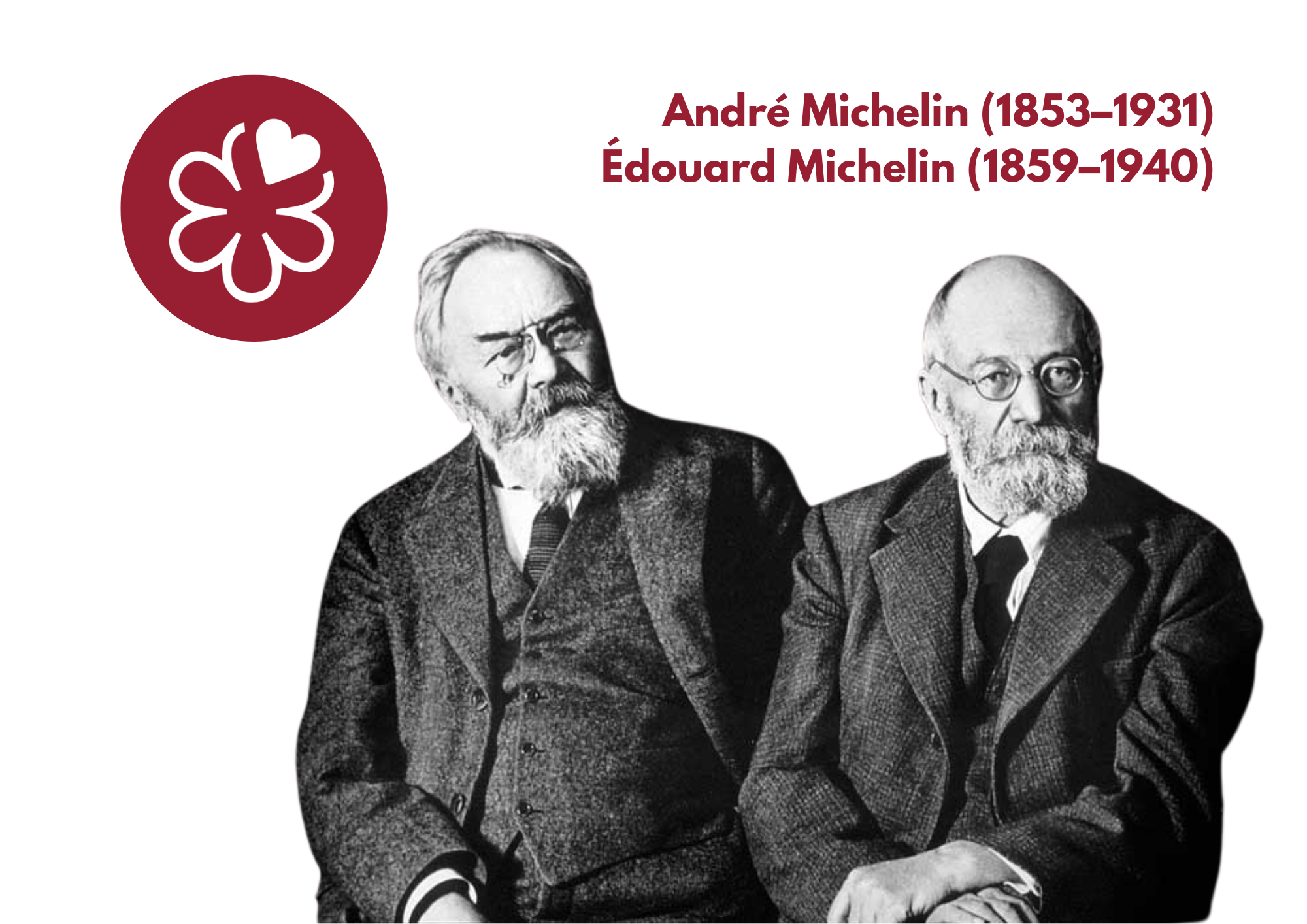
The Michelin Guide was born in France in 1900, created by brothers André and Édouard Michelin, founders of the famous tire company. At that time, automobiles were still rare: only a few thousand cars were circulating in France, and long road trips were unusual.
The Michelin brothers’ goal was clear and very strategic: to encourage car use. The more miles drivers traveled, the more tires would wear out… and the more they would sell. To achieve this, they decided to create a free guide to make travel easier.
The first edition, with a print run of 35,000 copies, included maps, mechanical workshops, gas stations, hotels, eateries, and even instructions on how to change a tire. It wasn’t about gastronomy—it was about getting people to travel.
From Practical Guide to Culinary Reference
Over the years, automobiles became more popular, and road trips increased. The guide evolved, and in the 1920s, Michelin decided to professionalize it: advertising was removed, and the guide began to be sold.
It was then that restaurants began to play a starring role. In 1926, Michelin Stars were awarded for the first time, initially only one, to identify “high-level” establishments. In 1931, the system expanded to the current model of one, two, and three stars, and a few years later, their meanings were officially defined.
From that moment, the guide ceased to be just a travel companion and became the most influential gastronomic authority in the world.
What Do Michelin Stars Mean?
The Michelin system is unique for its simplicity and rigor:
⭐ One Star: a very good restaurant in its category.
⭐⭐ Two Stars: excellent cooking worth a detour.
⭐⭐⭐ Three Stars: exceptional cuisine worth a special journey.
Beyond the number, stars represent consistency, technique, and excellence. They do not reward a single brilliant meal but the ability to maintain an extraordinary level at every service.
How Are the Stars Awarded?
Decisions are made exclusively by Michelin Guide inspectors, anonymous professionals with experience in hospitality and specific training. They visit restaurants discreetly, pay their bills like any other guest, and evaluate according to the same criteria, regardless of the country.
The five key pillars are:

Quality of ingredients

Mastery of culinary techniques

Harmony of flavors

Chef’s personality reflected in the dishes

Consistency over time
A key point: stars are awarded to the restaurant, not the chef, and are reviewed annually.
Has Michelin’s Purpose Changed Over Time?
Yes. While the initial goal was to encourage car travel, today the Michelin Guide has a different mission: to guide diners toward exceptional gastronomic experiences anywhere in the world.
Currently, the guide is present in over 50 destinations and recognizes all types of restaurants: from luxurious gastronomic temples to traditional bars, pubs, and even street food stalls. Formality, décor, or type of service do not influence earning a star; only what is on the plate matters.
In addition to stars, Michelin has added other recognitions, such as the Bib Gourmand, which rewards excellent value for money, showing that good cuisine does not have to be inaccessible.
A Reference That Continues to Lead the Way
Over 120 years after its creation, the Michelin Guide remains a fundamental tool for the hospitality and restaurant sector. For professionals, it is a standard of excellence; for students, a clear reference for how far talent, consistency, and respect for the product can go.
What started as a simple marketing strategy linked to automobiles is now a universal symbol of gastronomic quality. This evolution, closely tied to the history of tourism, travel, and hospitality, explains why Michelin Stars continue to shine as brightly as they did on the first day.








 CALL US
 WHATSAPP