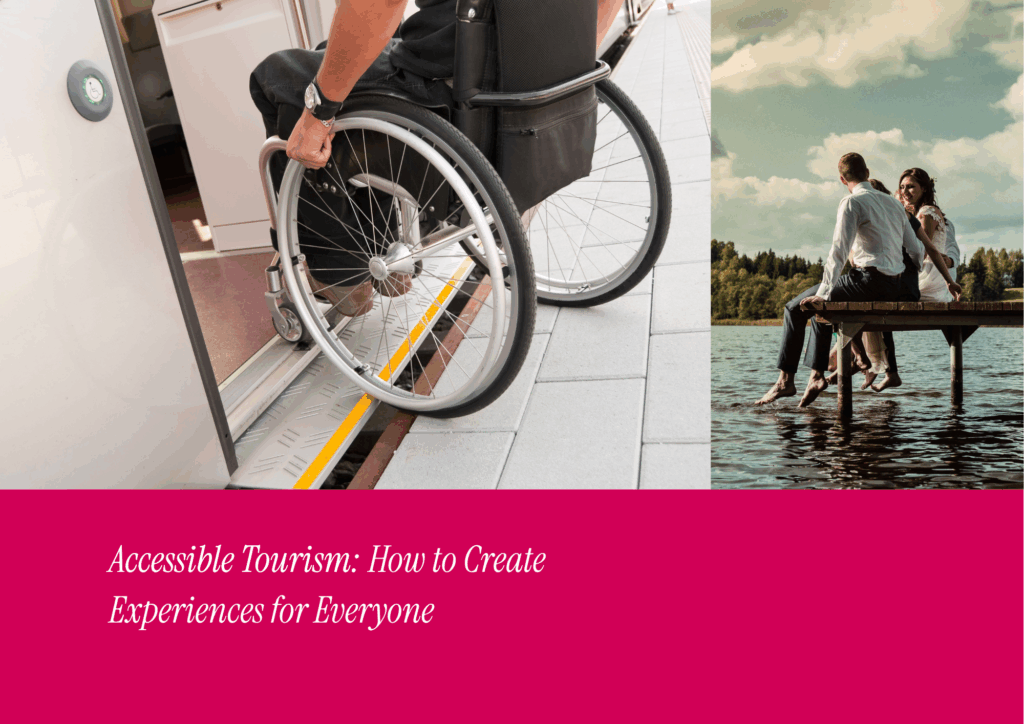

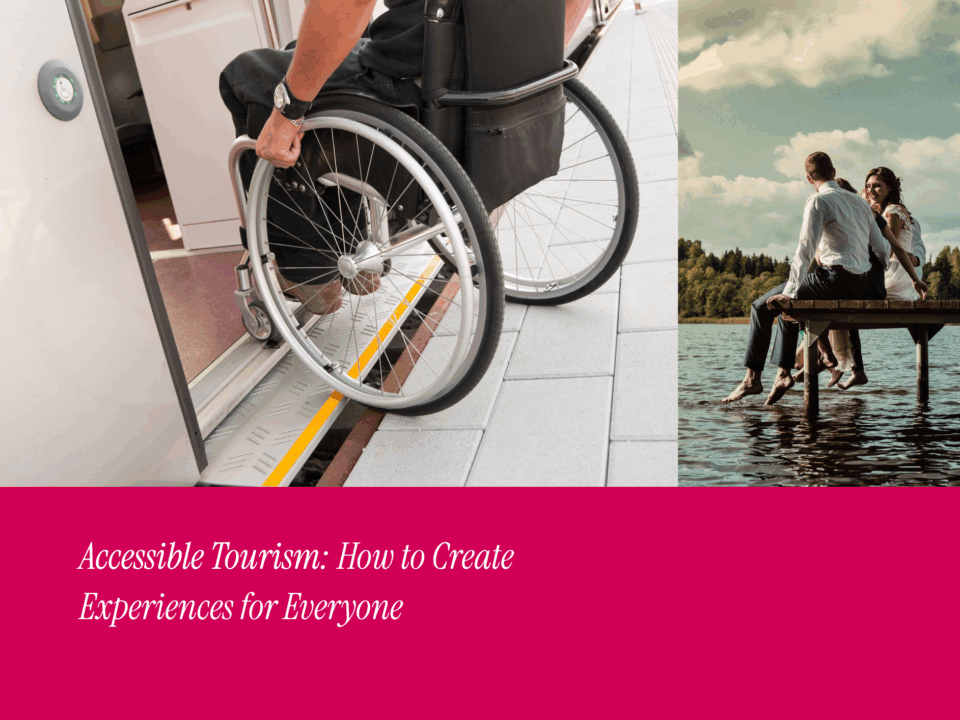
Accessible Tourism: How to Create Experiences for Everyone
16 September, 2026
The hospitality sector is experiencing one of its most significant transformations in recent decades. Artificial intelligence, regenerative tourism, experiential gastronomy and the growing demand for authentic experiences are redefining how people travel, stay and connect with destinations. We explore the key trends shaping the future of the industry and the profile of the professionals who will be expected to lead it.
Travelling is no longer simply about visiting a place. For the 2026 traveller, every experience should have a purpose, tell a story and create a positive impact. Tourism is evolving towards a more conscious model, where authenticity matters more than the number of services offered and technology is no longer a differentiating factor, but rather a tool designed to serve people.
This transformation affects the entire hospitality value chain: destinations, hotels, restaurants, brands and educational institutions all face the challenge of responding to consumers who are better informed, more demanding and have new expectations.

The new traveller seeks consistency, not just a destination
Travellers no longer choose solely based on price or location. They value sustainability, authenticity and the positive impact businesses have on their local communities. They seek experiences aligned with their values and a genuine connection with the destination.

Artificial intelligence becomes the new travel companion
AI is transforming travel planning and management through personalised recommendations and real-time assistance. This is pushing the sector to differentiate itself through high-quality content and unique experiences, going beyond traditional search engine positioning.

From sustainable tourism to regenerative tourism
The priority is no longer simply to reduce tourism’s impact, but to generate tangible benefits for the environment, local communities and the economy. Technology and data analysis are helping destinations improve their management and foster better coexistence between residents and visitors.

Hotels with identity: from accommodation to experience
Hotels are increasingly competing to create a distinctive identity and deliver memorable experiences. While technology improves efficiency and personalisation, the real value of hospitality continues to lie in human interaction and genuine care.

Gastronomy becomes an emotional experience
Restaurants are evolving towards more experiential and specialised concepts. Interaction with chefs, a stronger focus on local produce and hybrid formats are transforming gastronomy into an experience that goes far beyond the food itself.

Communicating experiences in the age of TikTok
Social media has changed the way people discover destinations and establishments. Authentic experiences shared by travellers themselves can generate greater impact than traditional advertising, making it essential to design moments that people genuinely want to talk about and share.

Architecture and design that engage the senses
Design is increasingly focused on creating a sense of well-being through light, materials, scents and a connection with the surrounding environment. Luxury is being redefined as an emotional experience, where every space reinforces the identity and story of the establishment.

Educating the professionals who will lead the new era of hospitality
Education must combine digital skills, artificial intelligence and data analysis with human capabilities such as empathy, leadership and creativity. The goal is to prepare professionals who can innovate while keeping people at the heart of everything they do.
A new way of understanding hospitality
The trends shaping 2026 all point in the same direction: hospitality is moving beyond simply providing services and becoming a discipline capable of creating authentic connections between people, places and cultures.
Travellers seek meaningful experiences. Hotels build communities. Gastronomy tells stories. Technology enables personalisation without replacing human interaction. And destinations are learning to grow in a more balanced and responsible way.
In this context, the sector’s greatest challenge will not simply be adapting to change, but leading it. The future of hospitality will belong to those who can innovate without losing sight of what has always defined this industry: making people feel welcome.






 CALL US
 WHATSAPP