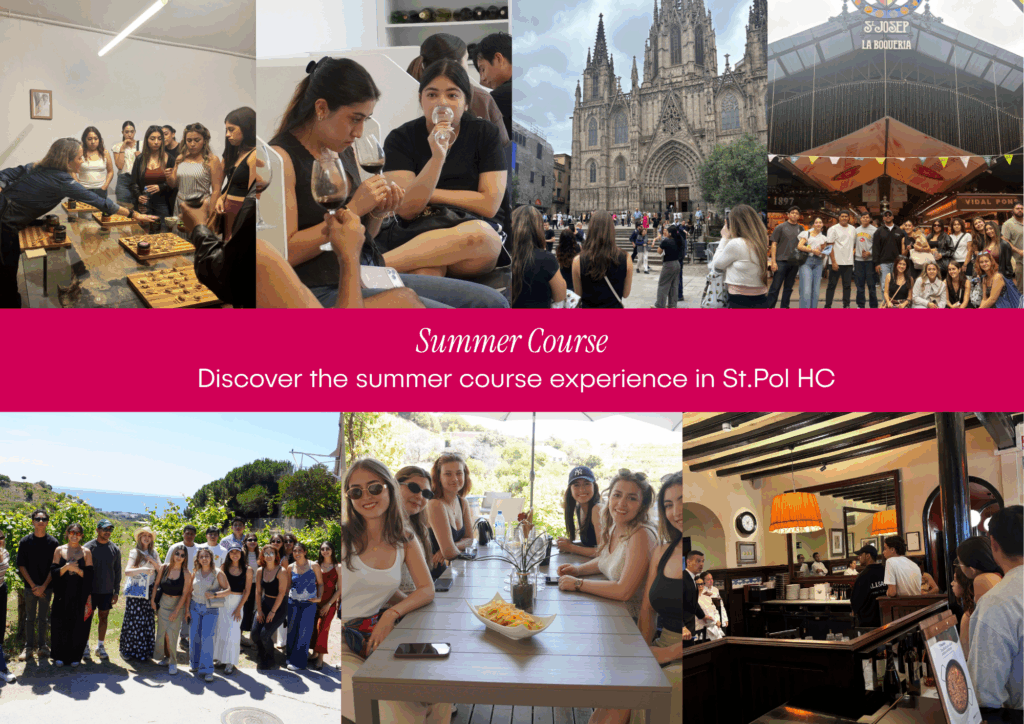

International Summer Course: a 360º experience in the hospitality sector
15 July, 2026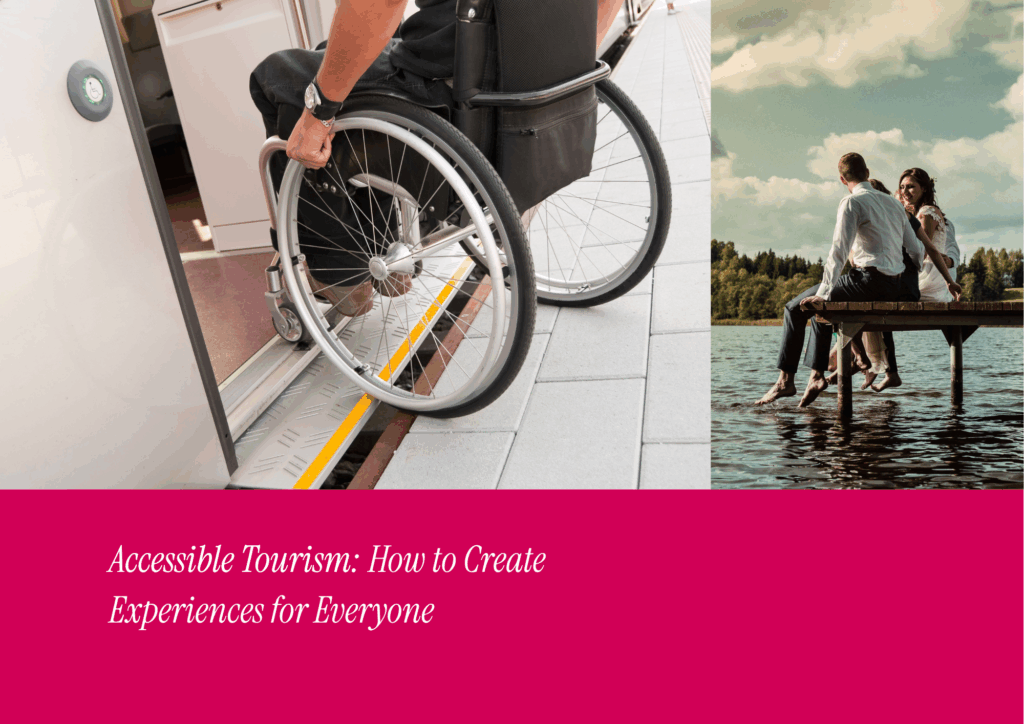
Travelling means discovering new places, experiencing different cultures, trying new flavours and enjoying experiences that we will remember for a long time. But for everyone to be able to travel independently, destinations, accommodation, transport and tourism services need to be accessible.
This is where accessible tourism comes into play: an approach to tourism that seeks to remove the barriers that can make travelling more difficult for people with disabilities.
But what does accessibility in tourism really mean? Is having a ramp at a hotel enough? The answer is no.
What is accessible tourism?
Accessible tourism aims to enable as many people as possible, regardless of their abilities, to enjoy tourism experiences independently and without barriers.
This means considering accessibility throughout the entire journey, not just when travellers arrive at their destination.
It begins from the very first moment they search for information and start planning their holiday and continues through booking, transport, accommodation, leisure activities and the journey home.
For example, an accessible tourism website, clear information about available services, accessible transport, suitable facilities and properly trained staff are all elements that can make a significant difference.
The goal is simple: to make accessibility an integral part of the entire tourism experience.
Accessible tourism and inclusive tourism: are they the same?
Although the two concepts are closely related, there are some subtle differences between them.
Accessible tourism focuses particularly on removing barriers and ensuring that people with disabilities can access tourism spaces, services and activities.
Inclusive tourism, on the other hand, takes this idea a step further and aims to ensure that everyone can participate in and enjoy tourism experiences on equal terms.
In both cases, there is one fundamental principle: designing experiences with people’s diverse needs in mind.
And this does not only benefit people with disabilities. Good accessibility also makes travelling easier for older people, families with young children and travellers with temporarily reduced mobility.
Accessible accommodation
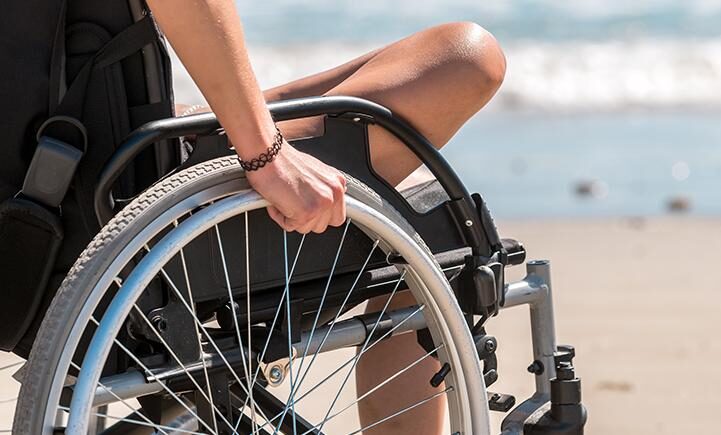
Accessibility should also be present in the places where travellers stay. Hotels and other tourism establishments should provide spaces that allow everyone to move around and use the facilities as independently as possible. This includes features such as ramps, accessible lifts, adapted bathrooms, wide corridors and clear signage.
However, accessibility is not just about adapting physical facilities. It is also important to provide clear and accessible information about the accommodation’s features and services, so that each person can know in advance whether the establishment meets their needs.
Accessible transport
Getting around is another essential part of the tourism experience. Reaching the destination, travelling around it and accessing different points of interest require accessible means of transport, as well as clear information about routes, timetables, stops and access conditions.
Accessibility should therefore be understood as a chain: if one stage of the journey presents barriers, the overall travel experience can be affected.
Digital accessibility
The journey begins long before travellers reach their destination. Today, a large part of the tourism experience is planned and managed online: from searching for accommodation and looking up a restaurant to buying a ticket or making a reservation.
For this reason, websites, booking platforms and apps should be designed so that everyone can use them independently. Features such as alternative text for images, subtitles for audiovisual content, simple navigation and a clear information structure can make a significant difference.
Restaurants and leisure spaces
Once at the destination, accessibility remains essential. Restaurants, museums, theatres, parks and other leisure spaces should take into account the different needs of their visitors, both in their facilities and in the way they provide information.
An accessible menu, clear signage and adapted information materials can help people enjoy the experience with greater independence.
Ultimately, accessible tourism requires much more than adapting physical spaces: it means providing accessible facilities, information and assistance at every stage of the journey. In this regard, training tourism professionals is essential to removing barriers and ensuring more inclusive experiences.
Some examples of accessible tourism
In Spain, cities such as Barcelona, Madrid and Málaga have accessible tourism initiatives, including accessible transport, accessible beaches, adapted routes and cultural resources designed for people with different needs.
These examples show that accessibility can be integrated into the tourism experience and contribute to creating more inclusive destinations.
Why is accessible tourism important?
Accessibility not only makes travelling easier for people with disabilities, but also improves the tourism experience and broadens access to services and destinations for a greater number of travellers.
For this reason, accessibility should be understood as an integral part of tourism quality, rather than as a one-off adaptation.
The future of tourism also depends on accessibility
As the sector evolves, accessibility is becoming one of the key challenges for future tourism and hospitality professionals. Creating high-quality experiences means ensuring that everyone can enjoy them, and professional training is essential to making this possible.







 CALL US
 WHATSAPP